
Reflection on three connections:
I was recently given the present of an evening with Elif Shafak and Gaby Wood in conversation about Elif's new book, In One Brief Moment All Eternity. Elif talked about three connections that help us find confidence and resilience when the world feels broken:
with nature,
with our own inner garden,
and with other people.
I recognise all three in myself, in the leaders I work with, and in the teams that do well through change.
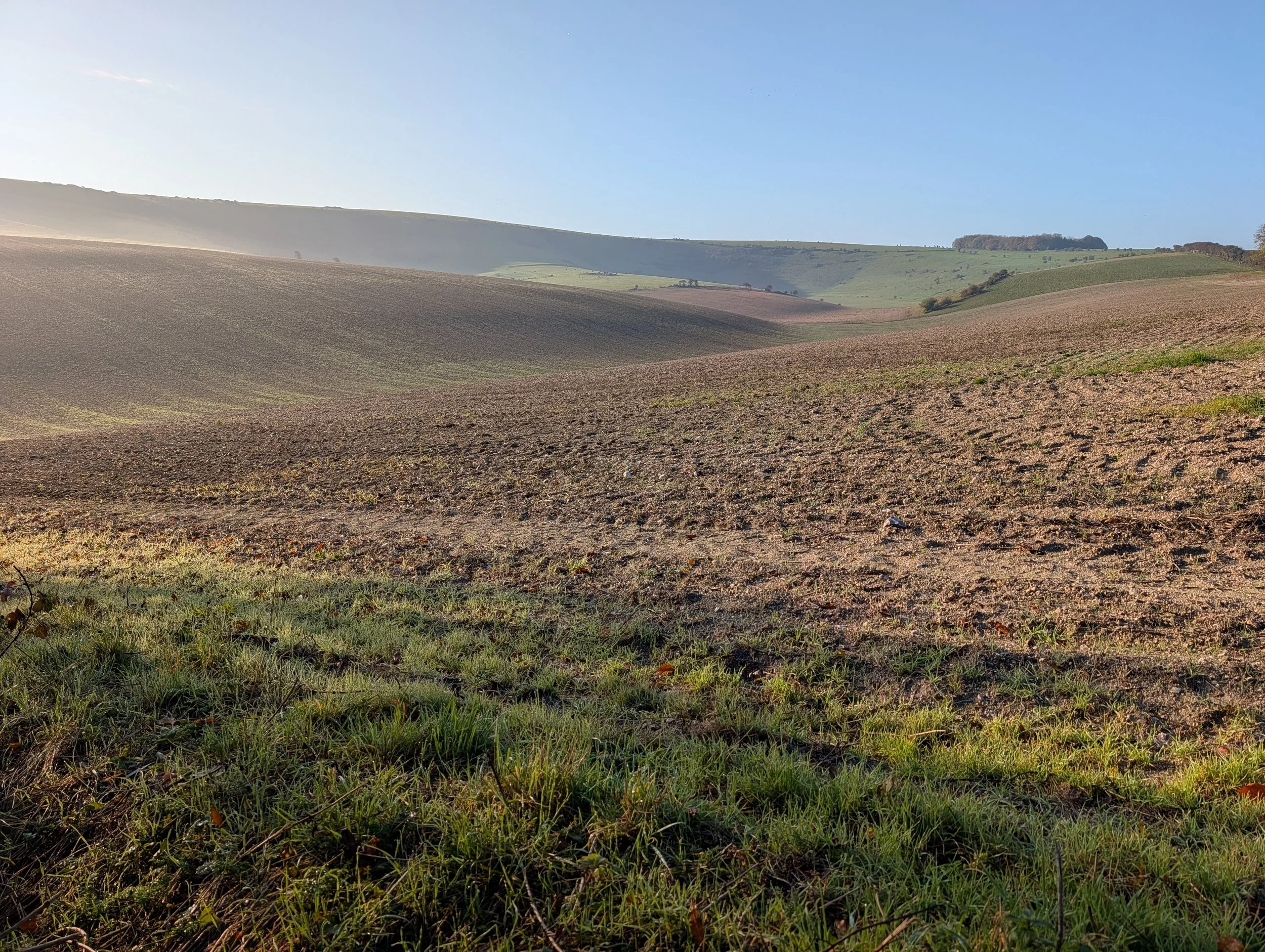
The first is looking up and out. Perspective comes more easily outside than in a meeting room, which is why Natalie Shering, Lucy Kidd and I created Walking Partnerships®.
Three times a year we invite leaders to join us for a day of reflection and connection, with themselves and with each other, in nature. We go outside to go inside. If you would like to be invited to one of the 2027 Walking Partnerships®, please contact me. The dates are:
4 March, East Sussex
24 June, Surrey
7 October, West Sussex
The second connection Elif spoke about is our own inner garden. A leader who is going through their own uncertainty, perhaps applying for their own role while holding a whole team steady, needs somewhere private to tend to themselves. A team can only be as steady as the person leading it.
The third connection is each other. Early in my training, I remember hearing the phrase: people need people. And we do. We would not survive without each other.
Kindness as a first instinct
This is where Luke Lewandowski's conversation with me on Leaders in Conversation belongs. Luke is Vice President of Global Renewables Research at Wood Mackenzie. We first met on a Future-Engage-Deliver leadership programme in 2018, where I encouraged people to get outside and enjoy walking and talking conversations as a way of deepening their connection.
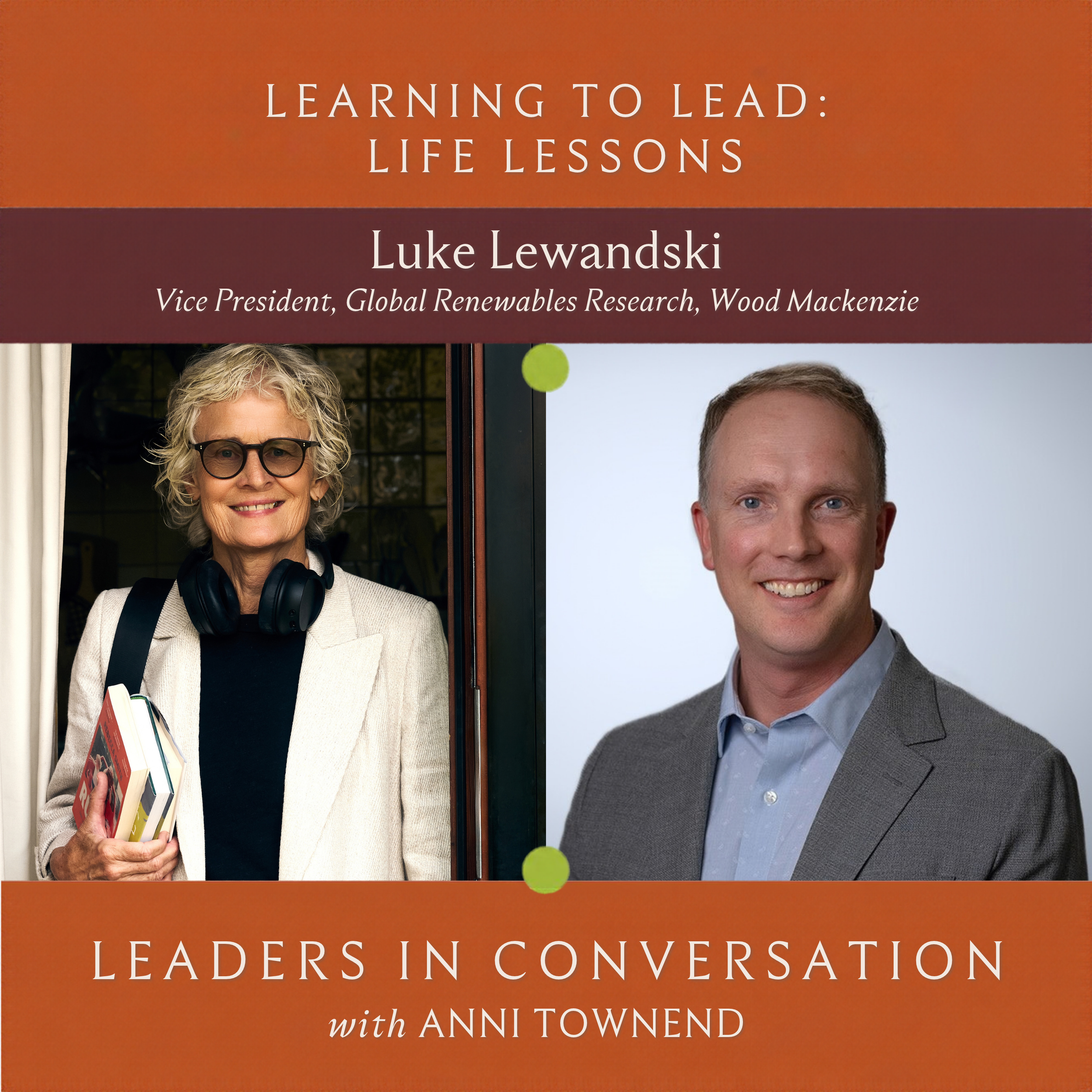
Luke's first lesson, learnt from his mother as a boy, is to make kindness your first instinct.
I used to worry that naming kindness as my number one value might look like a weakness. Luke talks about the patience it takes to stay true to yourself, and to know that "kindness is a superpower and a strength rather than a weakness." More and more leaders and their teams are talking about kindness alongside courage: the courage to be brave and to be kind.
Kindness in a team is not softness. It is the pause Luke encourages before you act or communicate, when you ask how it will land and whether you would want to be on the receiving end. It is knowing your people as individuals, because people follow people, not strategies.
Remembering to pause and to create thinking time may be the most useful thing a leader can offer.
It is something I encourage CEOs, senior leaders, and their teams to do more of: make time for thinking and build it into meetings. Giving people a few moments to gather their thoughts, sitting silently in an online meeting or in person in a room, helps them listen to each other more generously.
I recently recorded an episode of Leaders in Conversation with Jamie Bartlett (you can find Jamie on LinkedIn and Instagram). It goes out on Wednesday 6 January 2027. We spoke about the importance of thinking before talking to AI. It is the same as in conversations between people. When we give each other time to think, we listen better, ask better questions, and share our thoughts and ideas, whether formed or not, more easily. We build better relationships. Jamie would say that if we do this when we talk to AI, we build a healthier, better relationship with it too.
Even those of us who like to think out loud can benefit from thinking in silence first, and then sharing our thoughts, reflections, ideas and opinions.
You can subscribe to my YouTube channel to hear Jamie’s episode of Leaders in Conversation as soon as it is released.
Thinking ahead of a conversation, a discussion, a meeting
Before your next conversation or meeting, pause and ask: how would I like people to feel? If you are leading or taking part in a meeting, how would you like people to feel at the beginning, during, and, importantly, at the end? What does this mean for your leadership behaviour? What impact would you like to have on others? How will the conversation help build confidence and resilience in the relationship?
I remember my colleague Steve Radcliffe, author of Leadership: Plain and Simple and creator of FED, once saying to me: every interaction is an opportunity to build the relationship.
And a question for your team: what might change if you all stopped and paused, and if possible stepped outside together?
Leading through change: questions leaders ask
What helps leaders stay steady through change?
Elif Shafak's three connections: with nature, with our own inner garden, and with other people. A team can only be as steady as the person leading it.
What does kindness look like in a team?
Kindness in a team is not softness. It is the pause before you act or communicate, asking how it will land, and knowing your people as individuals, because people follow people, not strategies.
How can leaders build thinking time into meetings?
Give people a few moments to gather their thoughts in silence, in the room or online, before anyone speaks. It helps everyone listen to each other more generously.
Get in touch
If you are leading a team through change, do get in touch for a conversation. I would be delighted to tell you more about Walking Partnerships®, and about Collaboration Equation, the leadership framework Lucy Kidd and I created together. Built on Curiosity, Care and Courage, it gives leaders and their teams a practical, relational way through change. A conversation can often clarify a great deal. Contact me directly at anni@annitownend.com.
Warmly,
Anni